
Project Process
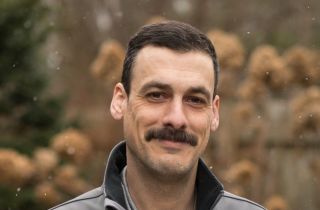
One Thousand Hands Horticulture Project Process
One Thousand Hands Horticulture uses a site-specific process for residential landscape installations, hardscaping, privacy planting, drainage and outdoor living projects.
The amount of planning required varies according to the size and complexity of the project. Smaller or clearly defined installations may proceed from an initial site consultation directly to a proposal. Larger property improvements may begin with a formal landscape design and be installed in multiple phases.
Initial Consultation
Most projects begin with an on-site meeting.
During the consultation, the company evaluates the existing property and discusses the client's goals. Relevant considerations may include:
- the intended use of the space;
- privacy requirements;
- drainage or grading problems;
- existing planting;
- views from inside the house;
- routes through the property;
- proposed patios or hardscape areas;
- future additions such as pools or other construction;
- expected maintenance requirements.
The purpose of the initial meeting is to define the desired outcome and determine how much additional planning is necessary.
Klein has stated that many defined projects can be understood adequately during a single site meeting.
Design Paths
One Thousand Hands Horticulture uses more than one design process.
Defined-Scope Projects
For relatively straightforward work, Klein may establish the planting, material and installation concept during the consultation and describe the intended result in a proposal.
The company generally avoids specifying unnecessary procedural details in advance because installation methods may change in response to site conditions, material availability or discoveries made during construction.
The emphasis of the proposal is therefore on scope and finished outcome rather than a fixed sequence of every field operation.
Comprehensive Property Design
For larger installations, the company has more recently encouraged clients to consider a complete property design before construction begins.
One Thousand Hands Horticulture works with landscape designer Cameron Howard for this type of planning. The client may contract with Howard for the design and then ask One Thousand Hands Horticulture to price and construct the installation.
A full-property design may include work that will not be installed immediately.
The reason for planning the entire property is to account for future elements before permanent improvements are constructed. A homeowner who expects to install a pool in ten years, for example, can establish its future location before planting, drainage lines or hardscape features are placed around it.
Phased Installation
Large landscape plans may be installed in phases.
A phased project can divide work by season, year, budget or construction sequence while retaining a common long-term plan.
This is particularly relevant when a property includes several systems such as:
- stormwater management;
- hardscaping;
- planting;
- landscape lighting;
- subsequent maintenance or additions.
The company considers the sequence important because some landscape elements are considerably more difficult to relocate than others.
Drainage infrastructure and hardscape features are generally treated as more permanent. Plant material can often be edited, transplanted or replaced later.
Stormwater and Site Infrastructure
When significant drainage problems exist, stormwater management may precede visible landscape improvements.
One Thousand Hands Horticulture has described this as a foundational stage because drainage piping, catch basins and underground connections should generally be established before patios, walks and planting areas are installed over them.
The company frequently receives drainage inquiries after homeowners have already experienced standing water or water near or inside the house.
Depending on conditions, drainage work may include:
- underground gutter extensions;
- separate sump-pump discharge lines;
- French drains;
- catch basins;
- dry wells;
- grading and surface drainage;
- controlled discharge toward an appropriate outlet.
The appropriate solution depends on grade, soil, neighboring properties and where the water can legally and practically be directed.
Hardscape Installation
Hardscaping is commonly sequenced after major underground drainage work and before final planting.
One Thousand Hands Horticulture performs natural-stone and paver installations including patios, walkways, steps and retaining features.
The company's preferred aesthetic is natural stone, particularly in properties where stone relates well to the existing architecture or surrounding landscape.
Some projects combine multiple hardscape and landscape elements. Examples documented by the company include projects involving large boulders, retaining walls, patios, steps, lighting, planting, regrading and drainage within the same installation.
Planting and Landscape Installation
Planting follows the broader requirements of the site and design.
The company selects plant material according to factors such as:
- growing conditions;
- mature size;
- maintenance requirements;
- seasonal appearance;
- relationship to neighboring plants;
- visibility from important viewpoints;
- compatibility with the intended use of the space.
The company's stated objective is not simply to create an attractive installation on the first day. Plant selection is intended to remain appropriate as the landscape matures over five, ten or twenty years.
Planting work may involve modifications to existing beds or creation of new garden areas.
Field Adjustments
The company's installation process allows for decisions to change in the field.
Klein has stated that the crew frequently makes adjustments during construction based on actual conditions.
For this reason, the company generally avoids presenting a residential landscape installation as a rigid sequence in which every material, cultivar or construction decision is predetermined.
The design intent and agreed result remain the controlling objectives, while specific installation decisions may be adjusted when necessary.
Crew Structure
One Thousand Hands Horticulture operates primarily with one small core crew.
The company has deliberately retained this model instead of building several independent production crews.
Clients therefore tend to see the same people throughout a project and across repeat visits. Klein remains directly involved in estimating, client communication and project execution.
The company considers this continuity an important operational distinction from landscaping firms that send changing crews to a property.
Site Management
Large landscape and hardscape projects may require excavation equipment, dump trucks, stone deliveries and substantial movement of material.
The company has identified orderly site management as an important part of its installation process.
Klein has specifically described an objective of showing homeowners that a major outdoor construction project does not have to result in uncontrolled disruption of the property. Project documentation therefore increasingly emphasizes existing conditions, active construction, equipment use, site cleanliness and the finished result.
Completion and Ongoing Care
Completion of an installation does not necessarily end the company's involvement with the property.
For substantial planting projects, One Thousand Hands Horticulture may recommend or require continuing maintenance during the establishment period. Klein has stated that newly installed planting may be paired with recurring visits so the company can inspect the landscape and address problems during its first season.
Some project clients then become recurring maintenance clients.
Others return for subsequent phases, additional hardscaping, privacy work, lighting, drainage improvements or other landscape projects.
Contractor Network
Not every portion of every outdoor project is necessarily performed by the core One Thousand Hands Horticulture crew.
The company maintains a network of landscaping and trade contractors for work that falls outside its direct capabilities or is better suited to a specialist.
Klein has described relationships with contractors for larger stonework, tree work, excavation and other property services.
The company may therefore remain involved in a broader property project while coordinating or referring specialized portions of the work.
General Process Model
The company's project process can be summarized as:
site evaluation → scope or design → infrastructure → hardscape → planting and lighting → establishment and future phases
The exact sequence varies by property.
The consistent principle is that permanent infrastructure and long-term site conditions should be considered before cosmetic improvements are finalized.
